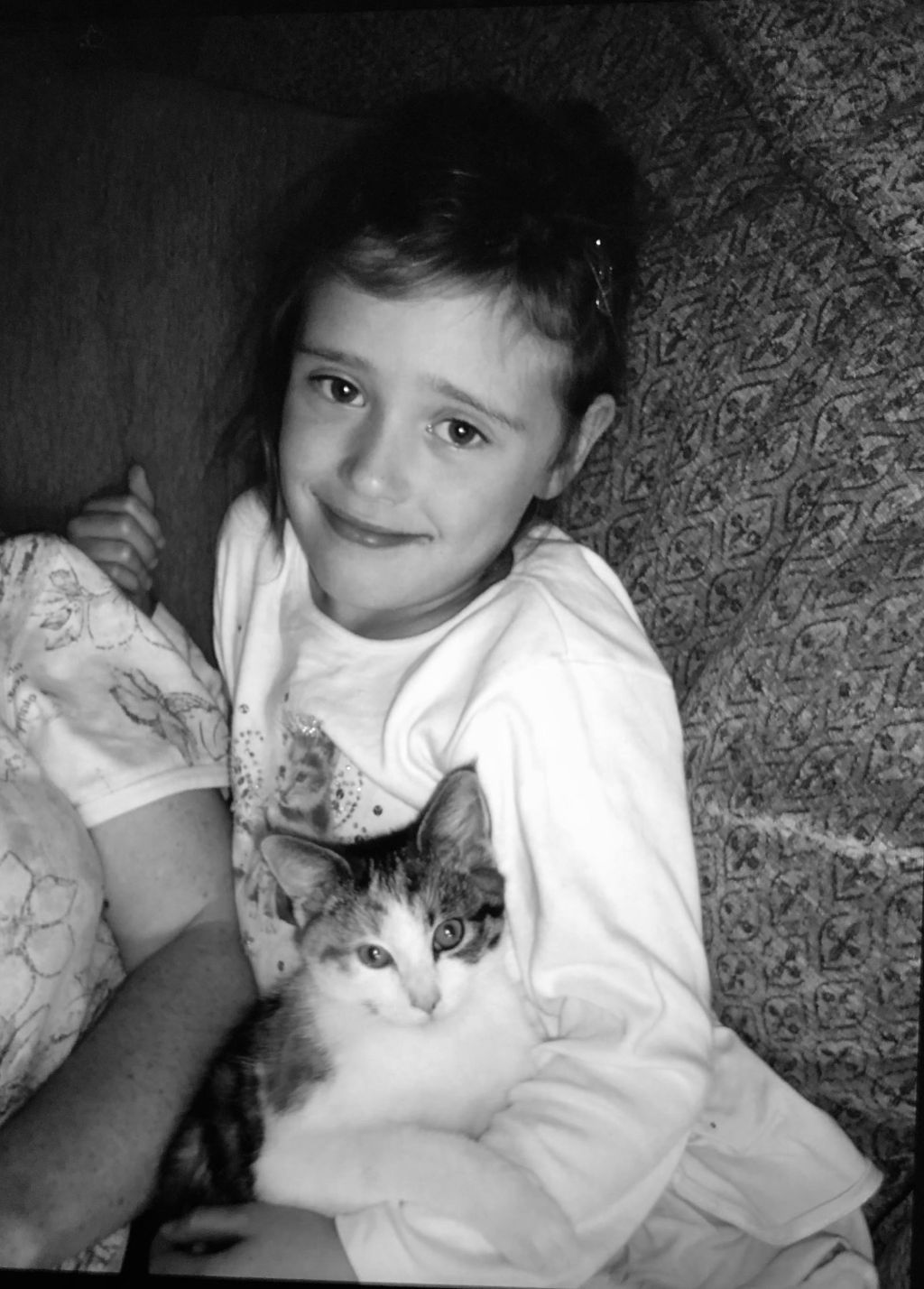
It was the summer of 2006 when diabetes and I made things official.
I was six years old and I don’t remember that much about my time in hospital. I do remember waking up and being told by the doctor that I had Type 1 Diabetes.
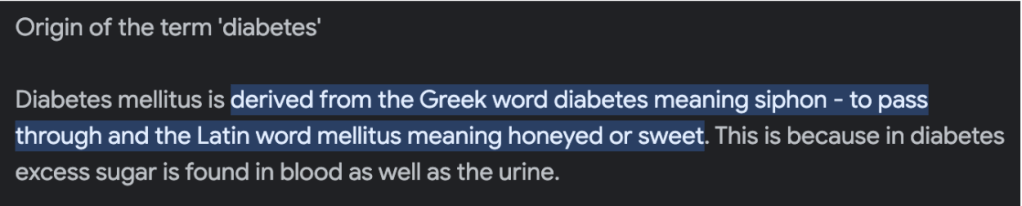
Actually he used the medical lingo “Diabetes Mellitus” and explained that mellitus was Latin for “sweet”.
There was too much sugar in my blood. The doctor delivered the swift but brutal blow: I would need to inject every day, multiple times per day, forever. I’m beginning to wonder if my doctor was Carlisle Cullen. Regardless, this life changing news undoubtedly sucked the life out of me.
Type 1 Diabetes is a chronic, autoimmune condition which is predominantly diagnosed in children. The condition is caused by the body’s immune cells destroying the insulin producing cells.

Before going too far down the GCSE Biology route, I will try to briefly summarise with Scott Hansleman’s plane analogy:
You’re on a flight from LA to New York (fun!).
Blood sugar is altitude.
Food raises altitude.
Insulin lowers altitude.
Non-diabetics don’t need to worry about altitude because this is taken care of by insulin (autopilot).
Type 1 Diabetics must constantly check and alter their altitude (blood sugar) to make sure they’re flying safely.
However, blood sugar readings are reports from the past and insulin injections take 30 minutes to kick in and several hours to fully work. So you have to remember that each altitude check isn’t displaying the full picture.
Now it’s starting to sound like a GCSE Maths problem so let’s get back to my diagnosis story…
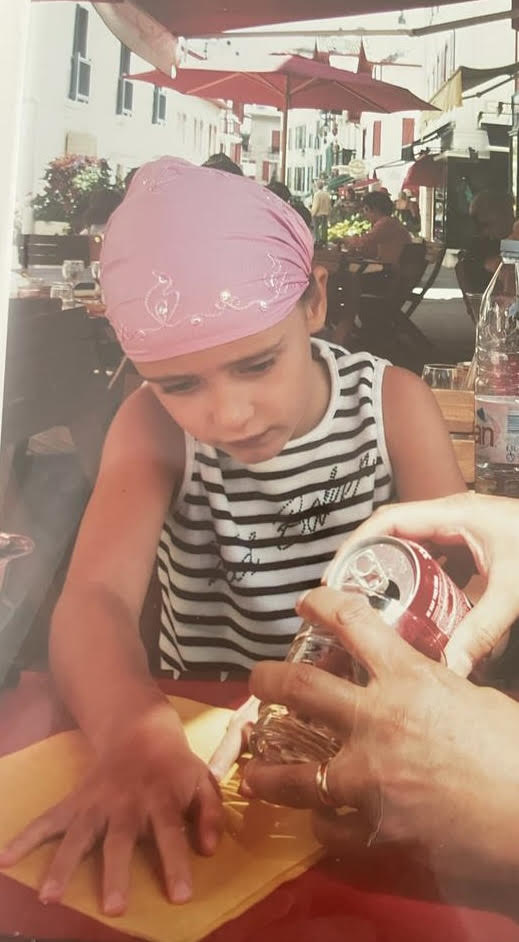
As my seventh birthday approached, I was a walking textbook for Type 1 Diabetes. I was so unbelievably thirsty.
Do you know the videos about kids chugging water down after playing outside?
I had always been a healthy weight as a child, but as my body began producing acidic ketones in response to the glucose buildup, I was becoming worryingly thin and increasingly sick. I was wetting the bed, and my breath smelled of pear drops.
As a family holiday approached, we visited the GP to check that everything was okay. The GP assured us that everything was fine.
However, on the holiday things were not looking fine. I was in a never ending state of dehydration. I’m surprised I didn’t drink the swimming pool in one big slurp.
During a meal out, I went to the toilet three times in a row. When the toilet had a queue on my fourth visit, I was convinced I would wet myself. I hurried back to the dinner table for help and threw up all over the table.
On our return to the UK my symptoms were worsening and so were my energy levels. My parents could see something was seriously wrong. Within 24 hours I had lost a lot more weight. When my mum found me crawling to the toilet – I was too weak to walk – the hospital became urgent.
Diabetic Ketoacidosis (DKA) is when there is a severe lack of insulin in the body that can result in a diabetic coma or even death. I was diagnosed with DKA and unresponsive in A&E for 12 hours and in hospital for a total of three days. All I can remember is painful finger pricks and big blobs of blood. As well as a needle protruding from my hand which made me feel nauseous.
I was informed that I had Type 1 Diabetes and that I would need to monitor and take care of my blood glucose levels by pricking my fingers and injecting multiple times per day. It wasn’t really ideal news. I definitely cried.
Eighteen years on and wow – the doctors weren’t joking when they told me there would be no days off!
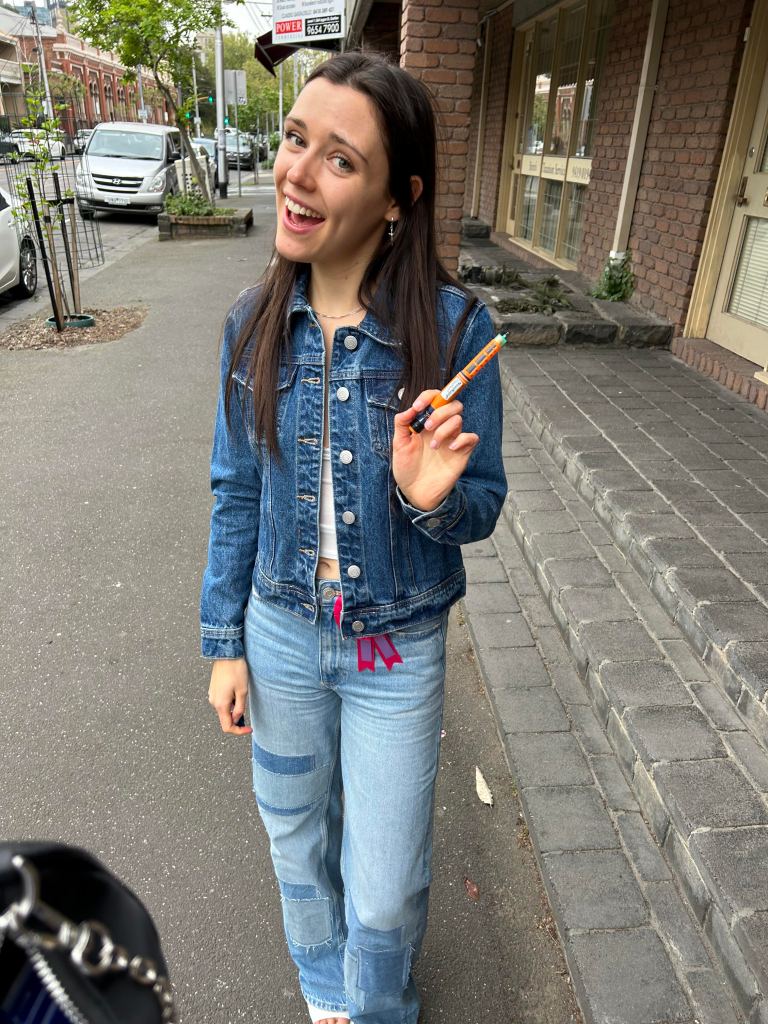
At least the needles aren’t so scary now that I’m not so small. Medical equipment has advanced a lot. I’m also really good now at prioritising my health and wellbeing. When you have good habits as a Diabetic, the condition doesn’t need to hold you back.
Despite managing Diabetes for 18 years, I have also obtained two degrees, jumped out of a plane and backpacked around 10 countries.

Highs, Lows & Hypos captures my journey so far!
You can follow along with my journey on Instagram account @highs_lows_hypos.
 Highs, Lows & Hypos
Leave a comment