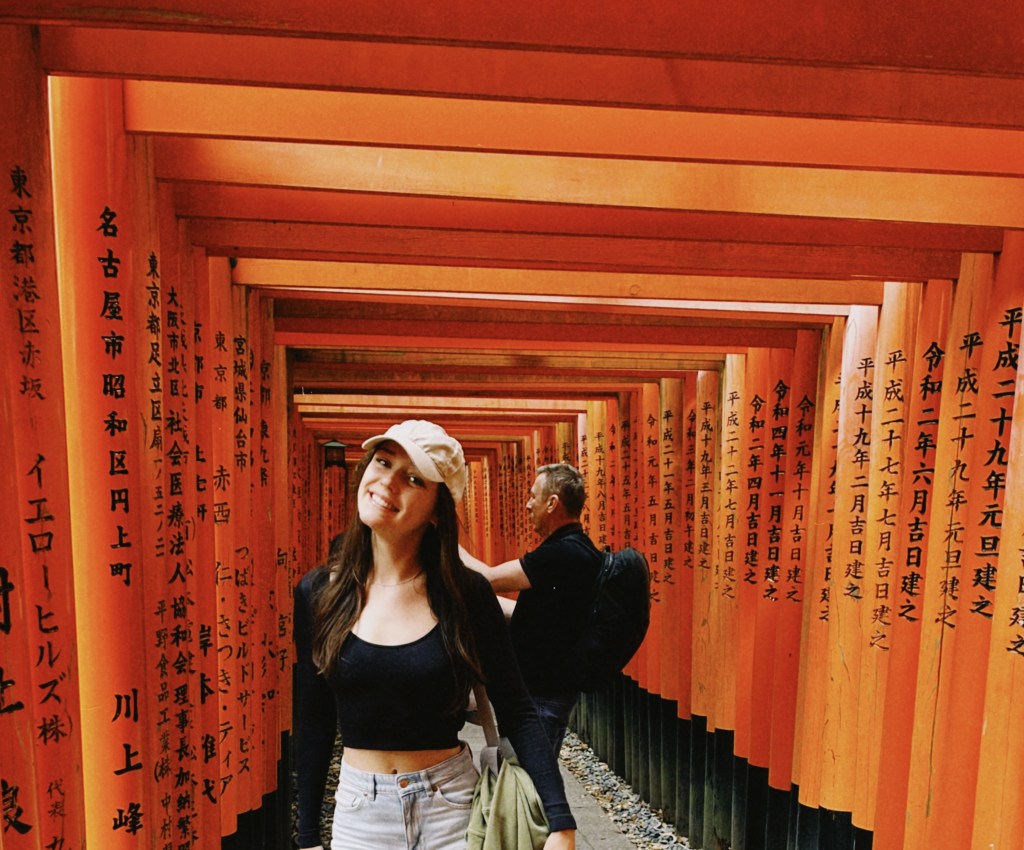
So you’ve finally done it…
The flight is booked and you’re heading to Japan. This archipelago has been on your bucket list for years, and for good reason. Japan is a total culture shock, making it a unique place to visit.

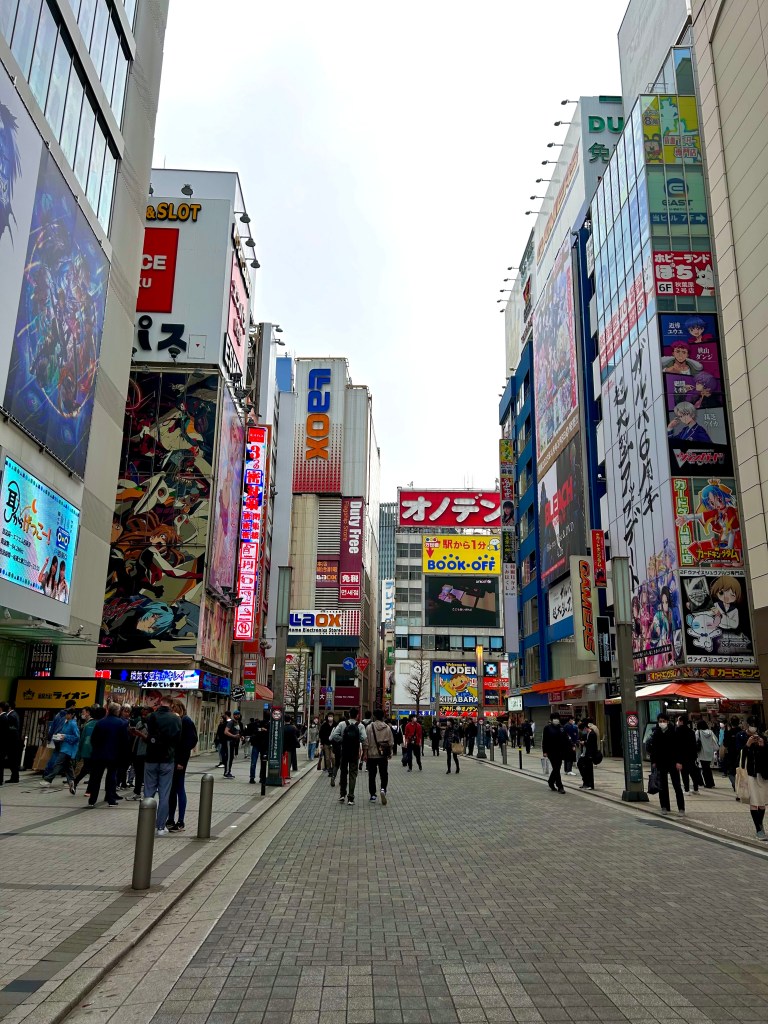
The country effortlessly encompasses both tradition and innovation.
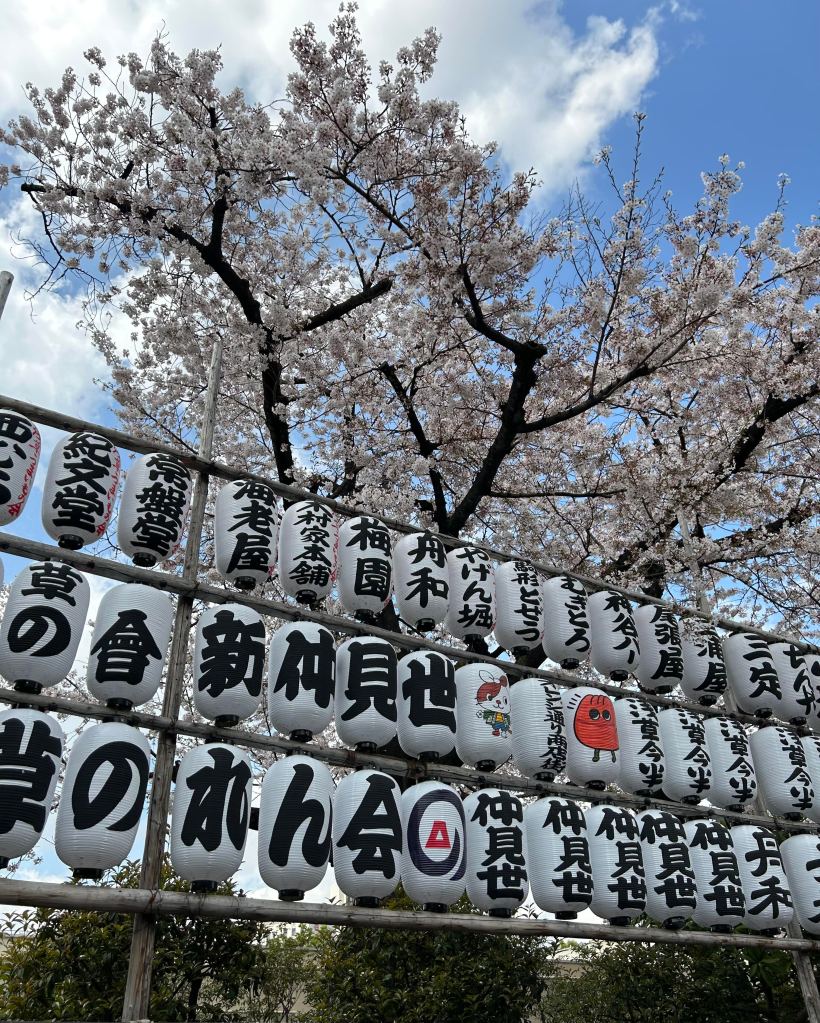
Historically, Japanese temples were considered to be “epicentres of culture”. Whilst touring temples in Japan, you’ll be blown away by outstanding beauty, impressive architecture and an abundance of history.
You can also find fortune papers called Omikuji at Shinto shrines and Buddhist temples. If you draw bad luck it is advised to tie your negative fortune to a designated place at the temple and leave it there!
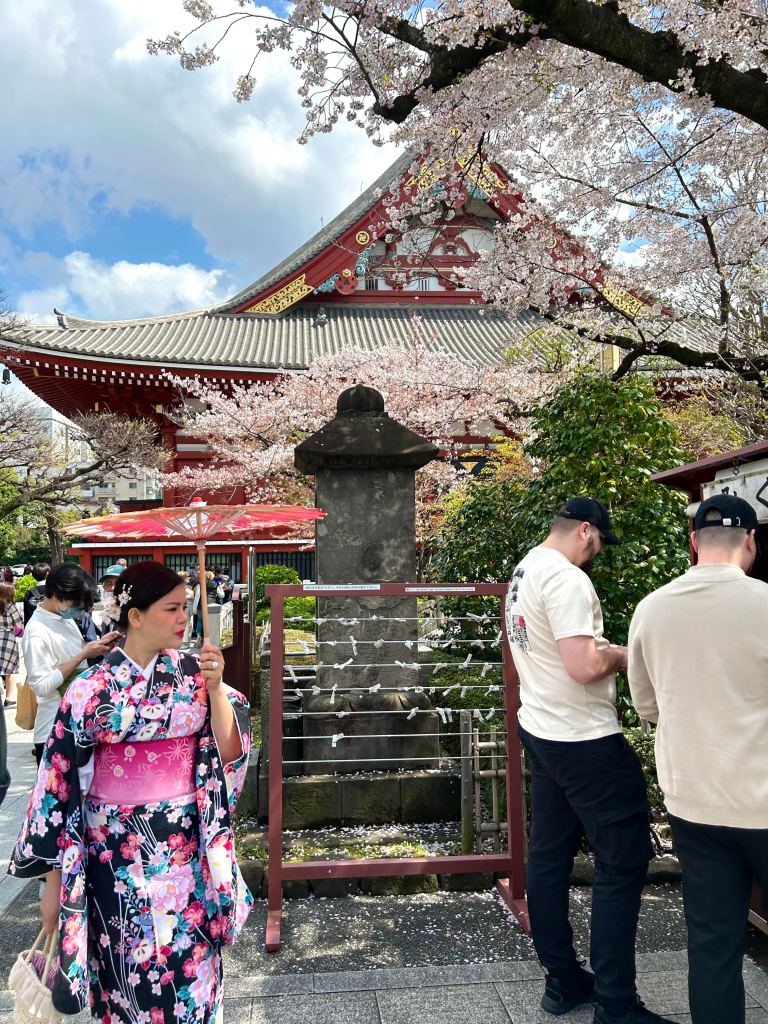
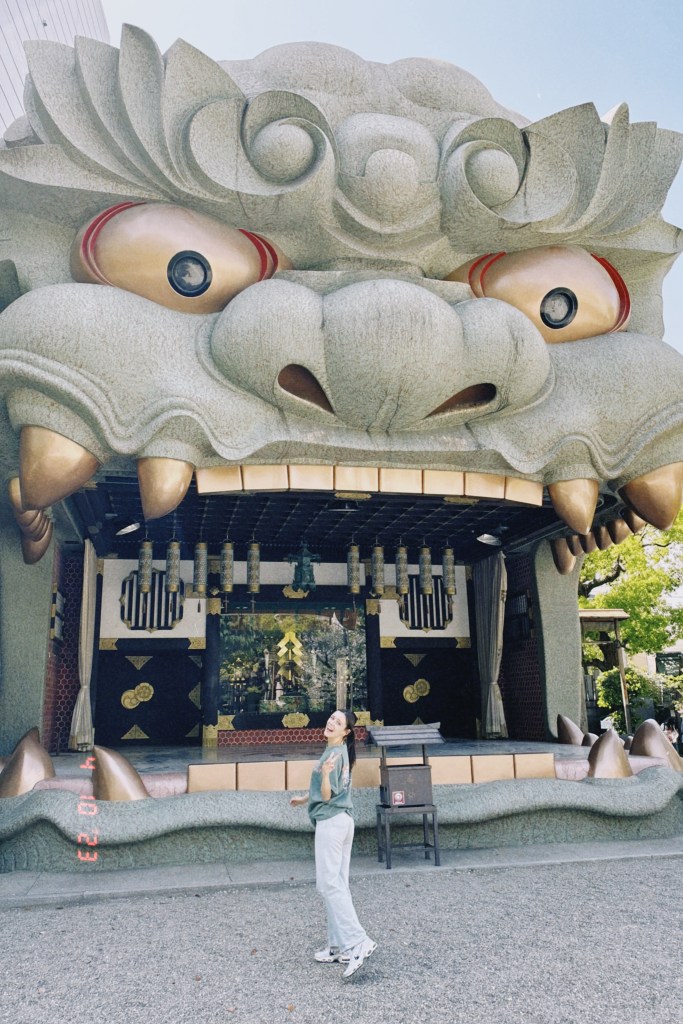
You can expect your camera roll to fill up VERY quickly.
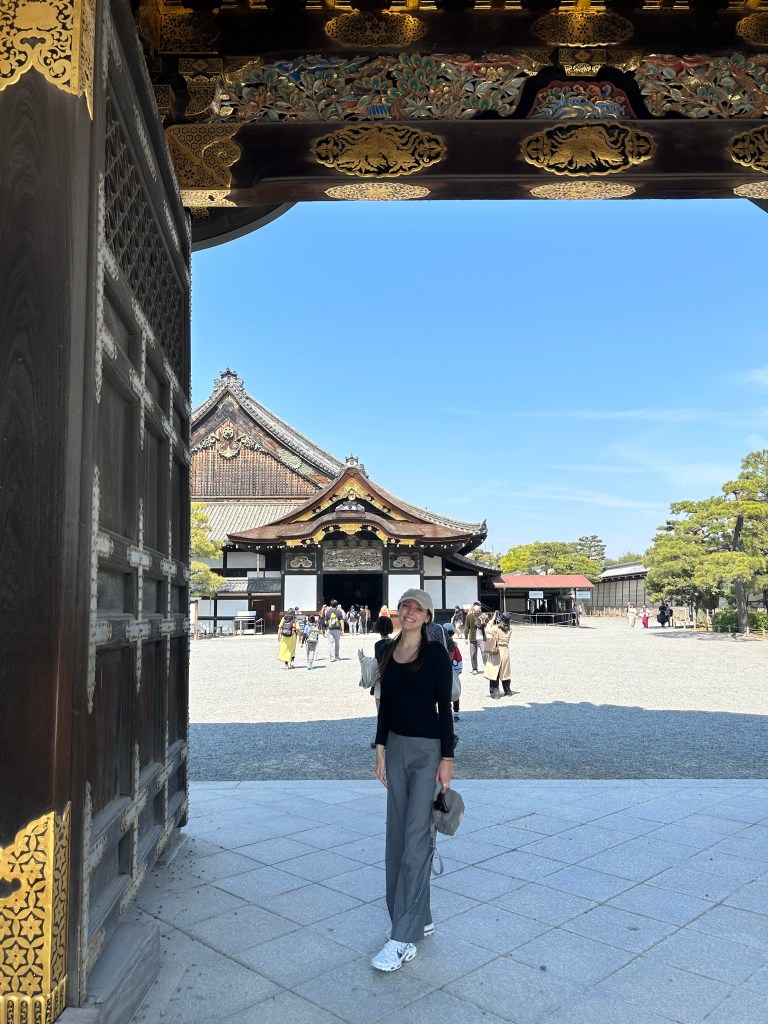
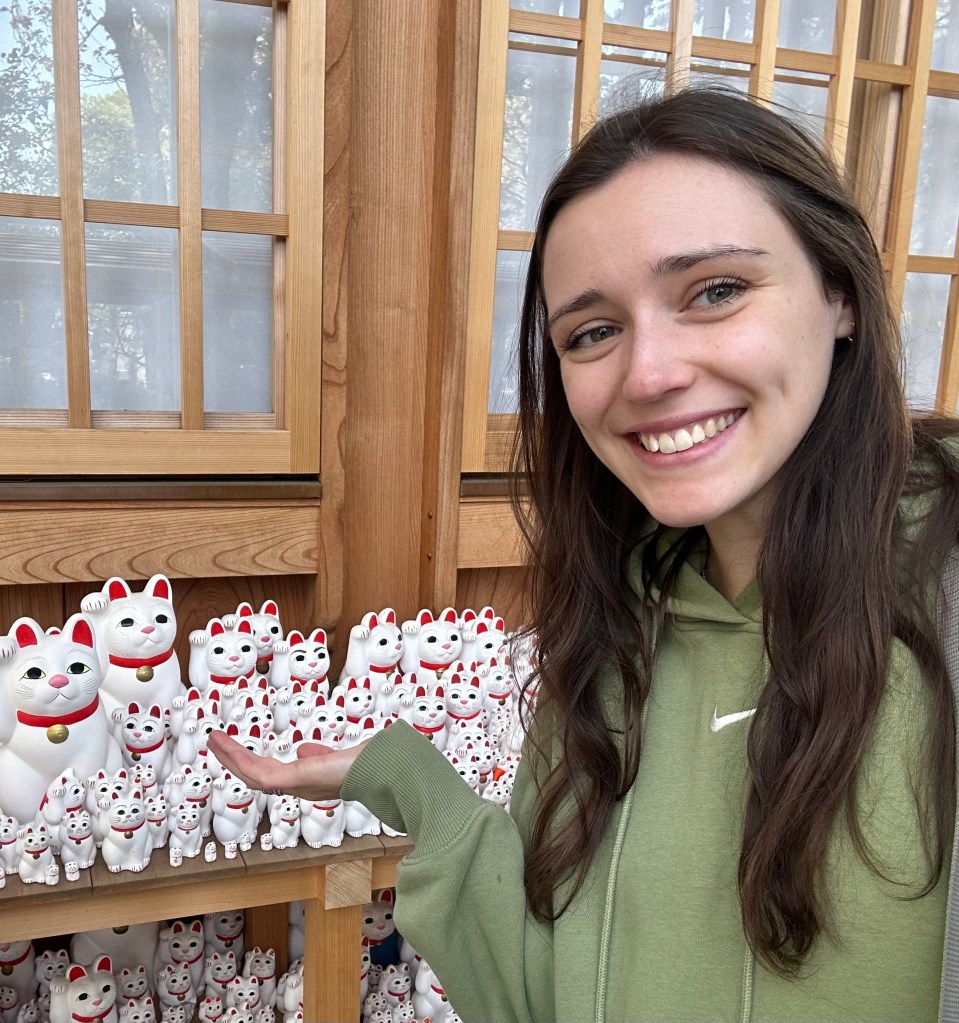
There is even a cat temple in Tokyo. I absolutely loved the Gōtokuji Temple (sorry cat haters…).
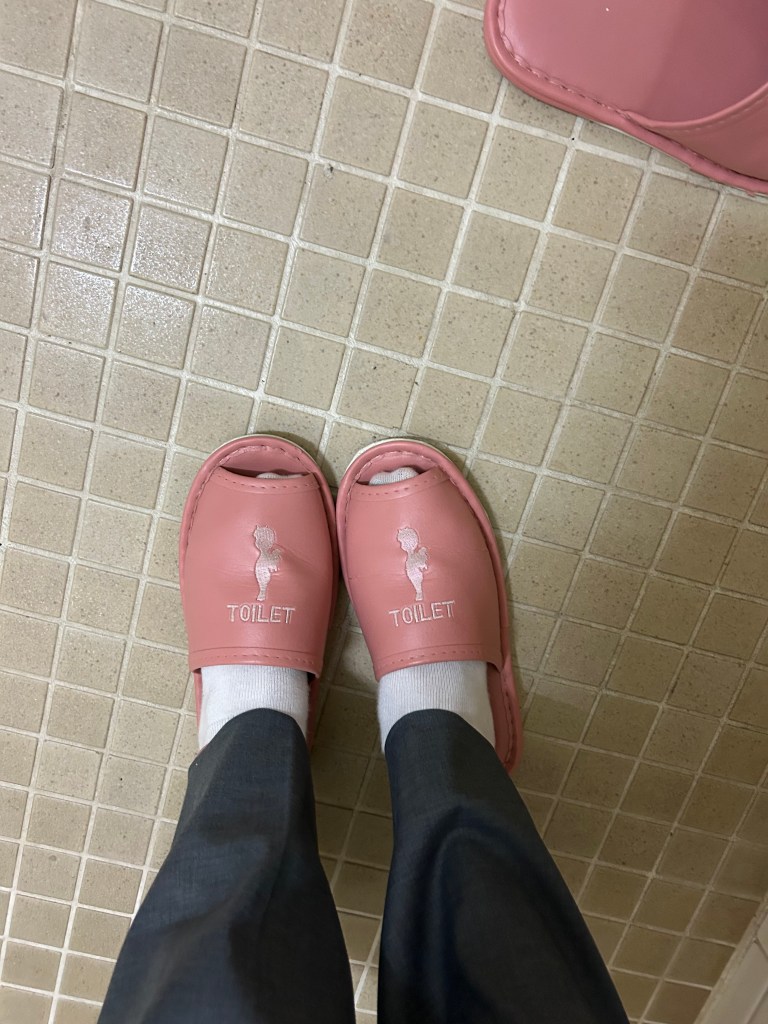
Many temples and restaurants require you to remove your shoes. Be prepared to take your shoes off a LOT and to get very familiar with toilet slippers.
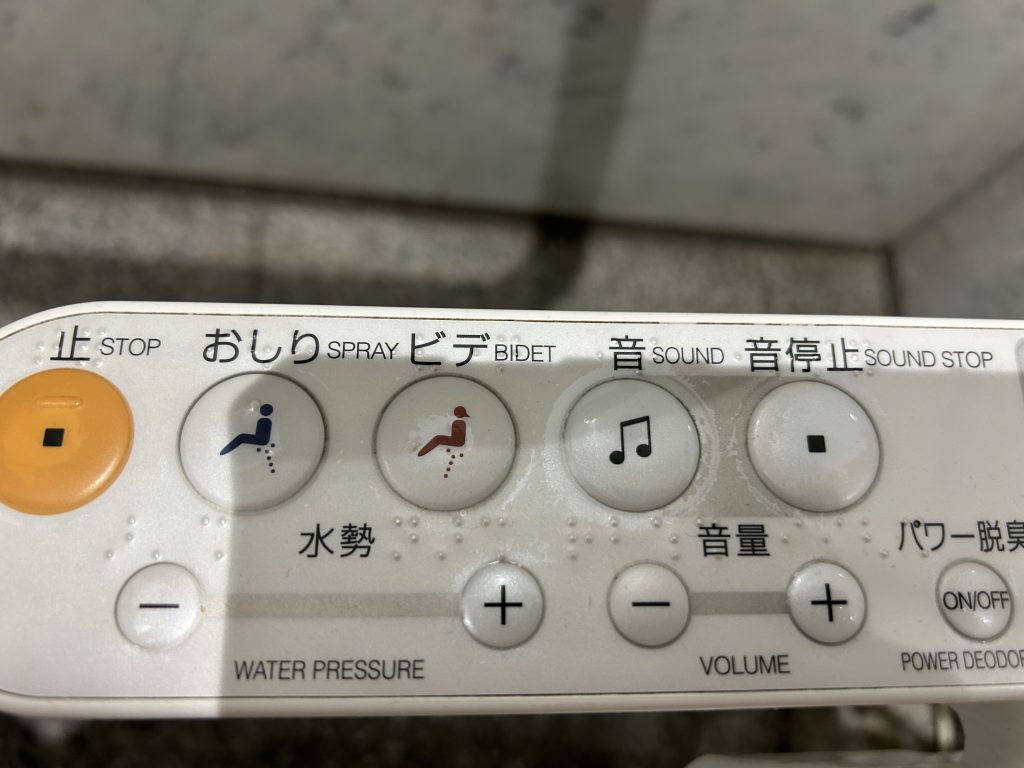
Oh and by the way the toilets are incredible, with the toilet lid opening on your arrival! As well as the sensors, expect heated seats AND music for enhanced privacy!
Japan has a fascinating history and culture, but even the small things will make you say “wow”. For instance, there’s padlocked umbrella racks and table service in SILENT McDonald’s! Plus ample bag storage in restaurants so you won’t see bags on the floor.

Due to Japan’s focus on etiquette, there are many cultural customs to be aware of. In this post, I’ll walk you through the five most important things to know before you visit.
1. Get Google Translate
English is not widely spoken in Japan and therefore the language barrier can feel pretty overwhelming. During school, your language teachers will have likely discouraged you from using Google Translate. Now is the time to ignore their warnings of inaccuracy and unreliability. If you don’t speak Japanese, Google Translate is your new lifeline. Backpackers be warned, the language barrier can make travel here isolating at times. Make sure you’re well equipped to keep yourself entertained!

You can definitely get by in Japan knowing basic phrases. But expect difficulty understanding signs, transportation and menus.
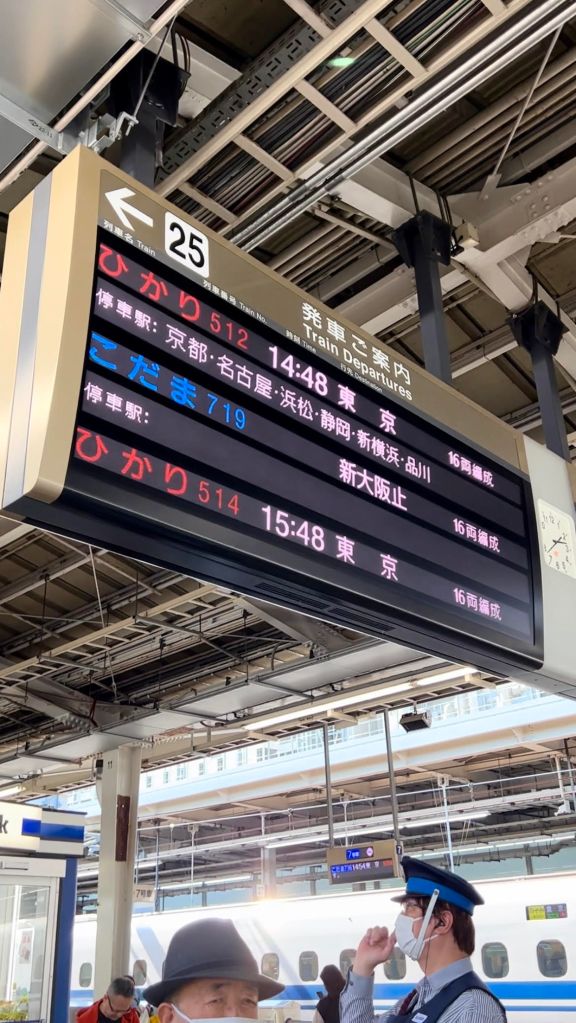
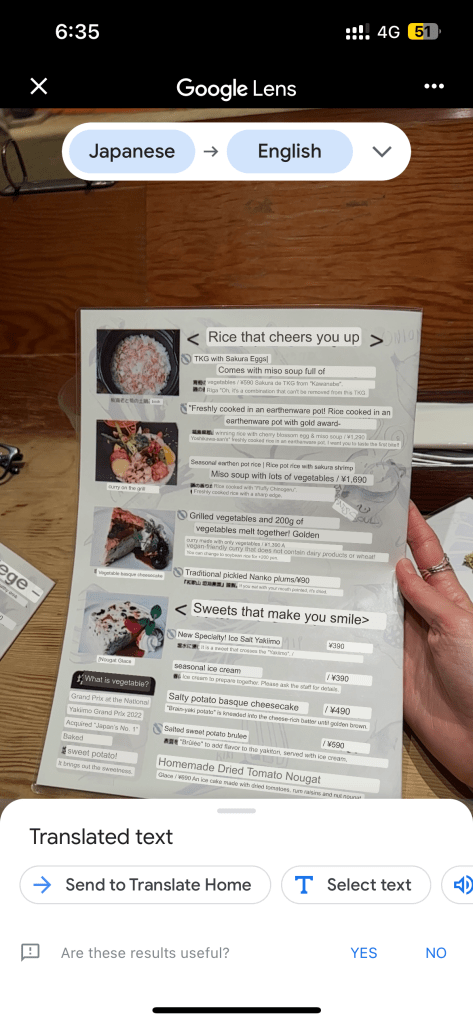
Google translate has a fantastic feature which allows you to take photos of text and will directly translate these. As a vegan and a Diabetic, this was absolutely essential for my trip. Although I wouldn’t have high hopes for absolute accuracy…
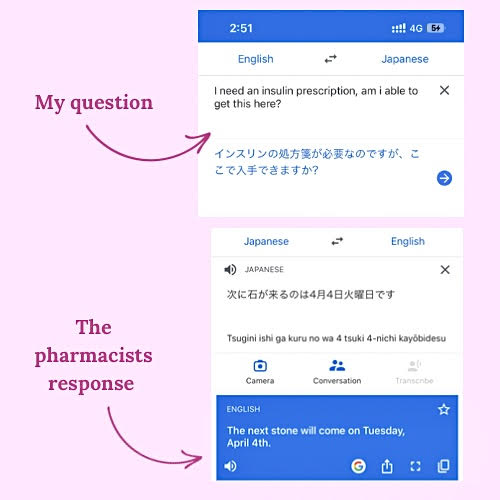
Make sure you’re prepared for any and every medical scenario. Even buying cough medicine here can be confusing. Japanese people are incredibly polite and helpful but I would not recommend trying to find products like insulin using Google translate.
Here’s an example of how a real conversation I had with a Japanese pharmacist over Google Translate went…
2. Don’t Eat on the Move
Japanese people love their food! As a result, “Grab and Go” culture is definitely lost in translation. Japan is infamous for its delicious dishes, however, eating in public spaces is a definite no no. Walking or doing any other activity whilst eating is considered to be impolite. In Japanese culture, food should be thoughtfully enjoyed and appreciated, not consumed with haste. However, it is considered acceptable to eat outside a convenience store and beside a vending machine, if you’ve purchased something from there.
As a Type 1 Diabetic on a tight touring schedule, low blood sugar is unavoidable. Food is an essential part of treating low blood glucose levels. Therefore, whilst being aware of this cultural difference is useful, prioritising your health is always most important.

3. Carry Some Cash
Remember when Covid happened and cash transactions virtually disappeared? Well, not in Japan. Cash payments are still very prevalent, particularly in rural areas. Whilst Tokyo has such a futuristic feel, you will likely struggle to even top up your transport card at the station without cash. You can somewhat get by with contactless and Apple Pay, but it’s always good to have some Japanese Yen to hand, especially when visiting shrines and temples.
I would highly recommend using the 7-Eleven ATM for cash withdrawals!

*Queue Kyoto by Phoebe Bridgers*
4. Your Trash, Your Problem
Japan does not have many bins in public places. It is a cultural norm to be responsible for your waste and to respect public places. Waste management in the country is managed more individually and within neighbourhoods rather than by a local government. Bins have also been removed as a safety precaution to avoid the storage of dangerous items.
During your visit, I would recommend always carrying a rubbish bag on hand so you can take your rubbish with you. However, bins are usually stationed outside convenience stores and recycling bins can be found next to vending machines.
5. Suica and the Subway
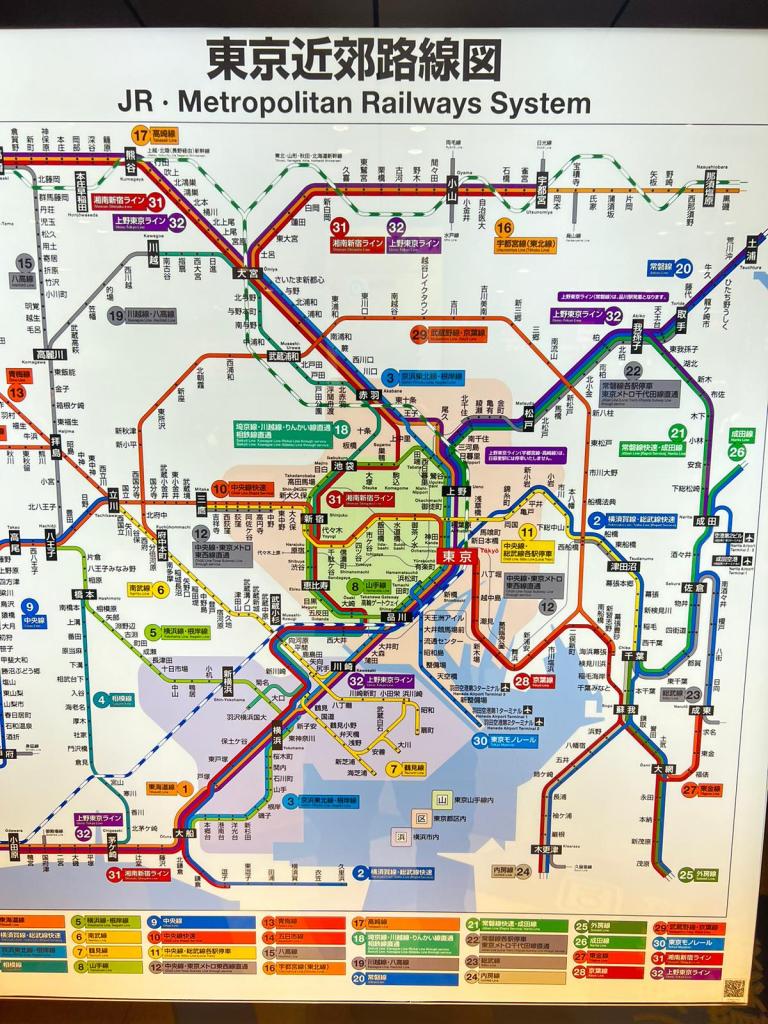
Japan has the most polite public transport etiquette I have ever experienced. When waiting for the train to arrive, be aware that orderly queues form behind the yellow line. In Japan, consideration for others is key. This means it’s important not to put your belongings on seats around you. Doing your makeup, taking a phone call or speaking too loudly are all considered to be very rude and inconsiderate.
The Suica card is the Oyster card of Japan and it’s about to become your best friend. Get from the bustling Shibuya district to Tokyo central with ease. Just remember you’ll need cash on hand to top the card up! To find out information on train times and routes, the “Japan Transit” app is well worth downloading.
**DISCLAIMER: In my experience, Japanese people were incredibly polite and understanding whilst I adjusted to the cultural etiquette**.
 Highs, Lows & Hypos
Leave a comment